Running a successful restaurant in Coquitlam means dealing with more than food quality, customer service, and daily operations. With frequent rainfall across the Lower Mainland, proper property maintenance is essential, and professional Drain Cleaning in Coquitlam plays an important role in protecting commercial properties from flooding and water damage. Blocked kitchen drains, overflowing catch basins, and poor stormwater management can quickly turn a busy restaurant into an expensive maintenance emergency.
Whether you operate a small café in Maillardville, a busy steakhouse near Coquitlam Centre, or a family restaurant along Austin Avenue, drainage problems can affect your business when you least expect them.
A clogged drain might seem like a minor inconvenience at first. However, during heavy rainfall, even a partially blocked storm drain can contribute to standing water, slippery walkways, damaged flooring, and unexpected business interruptions.
Understanding how drainage systems work and keeping them properly maintained can help you avoid costly repairs while creating a safer environment for customers and employees.
Why Proper Drainage Is Essential for Restaurant Operations
Restaurants rely on several drainage systems to keep their properties clean, functional, and accessible. These systems handle everything from wastewater generated in commercial kitchens to rainwater collecting around buildings and parking lots.
When drainage systems work correctly, most restaurant owners rarely think about them. Problems become noticeable when water stops flowing where it should.
Managing Wastewater From Commercial Kitchens
A commercial kitchen produces a significant amount of wastewater throughout the day.
Dishwashing stations, food preparation sinks, cleaning equipment, and floor drains all depend on proper wastewater drainage.
Unlike residential kitchens, restaurant plumbing systems frequently handle grease, oils, food particles, detergents, and other materials that can accumulate inside pipes.
Over time, this buildup can restrict wastewater flow and create persistent blockages.
Common sources of kitchen drain problems include:
- Cooking grease and oil entering sinks.
- Food scraps collecting inside drainpipes.
- Soap residue combining with grease deposits.
- Improperly maintained grease traps.
- Sediment accumulating inside floor drains.
- Damaged or deteriorating wastewater pipes.
Proper grease management, routine cleaning, and professional inspections help prevent these materials from interfering with restaurant operations.
Controlling Rainwater Around Restaurant Properties
Outdoor drainage systems serve a different purpose.
Storm drains, catch basins, trench drains, and surface grading help direct rainwater away from parking lots, sidewalks, loading zones, and buildings.
In Coquitlam, these systems become particularly important during the rainy autumn and winter months.
Large paved surfaces prevent water from soaking naturally into the ground. Instead, rainfall flows toward designated drainage points.
When those drainage points become clogged, water can accumulate around restaurant entrances, outdoor patios, and parking areas.
That is why maintaining both indoor wastewater systems and outdoor stormwater infrastructure is essential for commercial properties.
Common Drainage Problems Restaurants Face in Coquitlam, BC
Coquitlam’s wet climate, established commercial areas, and mix of older and newer buildings can create several drainage challenges.
Understanding the most common issues helps restaurant owners recognize problems before they become serious.
Clogged Kitchen Drains and Grease Buildup
Grease buildup is one of the most common drainage problems in commercial kitchens.
Cooking oils and fats can enter drainage systems during washing and cleaning. As these materials cool, they may harden along the interior surfaces of pipes.
Food particles and other debris can then attach to the buildup, gradually reducing the available space for wastewater.
Eventually, restaurant staff may notice sinks draining slowly or wastewater returning through floor drains.
Recurring clogs can interrupt food preparation, dishwashing, and cleaning routines.
In severe cases, kitchen areas may become unusable until the blockage is removed and any contamination is addressed.
Blocked Storm Drains and Catch Basins
Outdoor drainage problems are particularly common during the rainy season.
Leaves, sediment, gravel, litter, and other debris can collect inside catch basins and stormwater pipes.
Catch basins are designed to collect surface runoff, and many also retain some sediment. However, excessive accumulation can reduce their capacity.
During heavy rainfall, water may begin collecting around the blocked drain instead of flowing through the system.
Restaurant parking lots are especially vulnerable because they often contain large paved areas exposed to rainwater runoff.
A blocked catch basin near a restaurant entrance can create puddles that customers and employees must navigate.
Heavy Rainfall and Localized Flooding
People living in Coquitlam are familiar with extended periods of rain, especially between autumn and spring.
While modern stormwater infrastructure is designed to manage runoff, heavy storms can expose existing drainage weaknesses.
Restaurants in low-lying areas or locations with poorly graded parking lots may experience additional challenges.
When rainwater cannot move efficiently toward drainage outlets, it may collect against building walls, near doors, or around loading docks.
If the water level rises high enough, it can enter the building and damage interior finishes.
Localized flooding can also interfere with deliveries, employee access, and customer parking.
Aging or Damaged Drainage Infrastructure
Not every drainage problem results from leaves or grease.
Older pipes may deteriorate, crack, shift, or become obstructed by tree roots.
Restaurants operating in established Coquitlam neighbourhoods may occupy buildings with drainage infrastructure that has been in service for decades.
Even newer properties can experience problems caused by poor installation, ground movement, or inadequate maintenance.
Professional inspections can help identify damaged sections before recurring blockages create more serious complications.
How Poor Drainage Can Disrupt Restaurant Operations
A restaurant depends on consistency.
Customers expect clean facilities, reliable service, and comfortable surroundings. Unfortunately, drainage emergencies can interrupt all three.
Unexpected Kitchen Shutdowns and Service Delays
Imagine a busy Friday evening at a restaurant near Coquitlam Centre.
The kitchen is preparing orders, servers are moving between tables, and the dishwashing station is operating continuously.
Suddenly, wastewater begins backing up through a floor drain.
Employees may need to stop using affected plumbing fixtures while management investigates the problem.
Depending on the severity and location of the backup, food preparation and cleaning activities may need to stop until the situation is corrected.
These interruptions can create several financial problems:
- Lost revenue from cancelled orders.
- Additional labour expenses.
- Emergency plumbing service costs.
- Food waste caused by interrupted operations.
- Delays in reopening affected areas.
- Potential damage to the restaurant’s reputation.
Even a temporary disruption can become expensive during peak service hours.
Regular drainage maintenance helps reduce the likelihood of unexpected emergencies.
Water Damage to Buildings and Equipment
Water entering a restaurant can damage much more than the floor.
Depending on the location and severity of the flooding, moisture may affect walls, cabinetry, storage areas, insulation, and certain electrical equipment.
Water can also seep beneath flooring materials and remain trapped after the visible surface has dried.
This creates additional concerns for restaurants with finished basements, storage rooms, or lower-level dining areas.
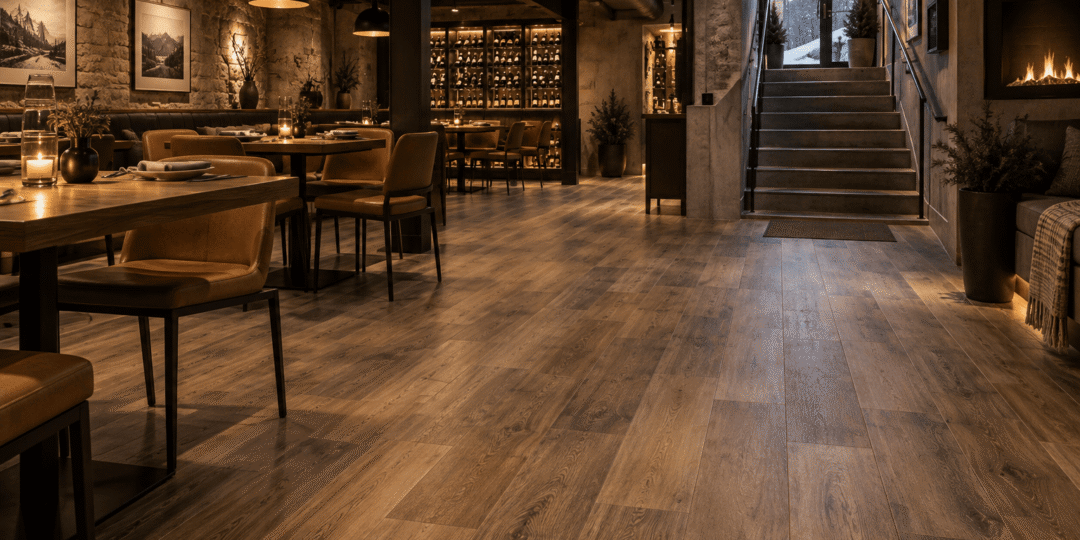
Choosing suitable building materials is an important part of protecting these spaces. For example, restaurant owners planning renovations should consider moisture resistance when selecting basement flooring.
The same principle applies to drainage infrastructure: preventing water intrusion is usually more practical than repairing damage afterward.
Negative Customer Experiences
First impressions matter in the restaurant industry.
Customers may form an opinion before they even walk through the door.
A flooded parking lot, unpleasant drainage odour, or slippery entrance can make an otherwise attractive restaurant feel poorly maintained.
Standing water may also make access more difficult for customers with mobility challenges.
For businesses competing in busy commercial areas around Coquitlam, maintaining clean and accessible entrances is an important part of delivering a positive dining experience.
How Drainage Problems Affect Customer and Employee Safety
Drainage maintenance is not only about preventing expensive repairs. It also supports a safer working and dining environment.
Slippery Walkways and Standing Water
Water collecting on paved surfaces creates potential slip hazards.
During rainy weather, customers frequently move between parking lots, sidewalks, and restaurant entrances while carrying umbrellas, shopping bags, or takeaway orders.
Large puddles can conceal uneven pavement, damaged concrete, or other obstacles.
Employees making deliveries or carrying supplies may face similar hazards around loading zones and service entrances.
Restaurant owners should regularly inspect:
- Main customer entrances.
- Outdoor dining areas.
- Parking lot walkways.
- Accessible parking spaces and routes.
- Loading docks and delivery entrances.
- Stairways and ramps.
- Areas surrounding catch basins.
Removing surface debris and maintaining drainage systems can help reduce unnecessary risks.
Wastewater Backups and Sanitation Concerns
Sanitation is especially important in food service environments.
Wastewater backups may introduce contaminants into areas where food is prepared, stored, or served.
When contaminated water enters a kitchen, immediate action is necessary.
Affected areas should be isolated, and food handling activities may need to stop until the situation is safely resolved.
Restaurant managers should follow applicable food safety requirements and contact the appropriate professionals when serious contamination occurs.
Kitchen wastewater systems and outdoor storm drains require different maintenance approaches, so identifying the source of a backup is essential.
Moisture and Indoor Air Quality Problems
Persistent moisture can create unpleasant indoor conditions.
When water becomes trapped beneath flooring or inside wall assemblies, it may encourage mould growth and damage building materials.
Musty odours can also affect customer comfort, particularly in enclosed dining rooms and basement spaces.
Addressing drainage problems early helps reduce the conditions that allow these issues to develop.
Why British Columbia’s Climate Makes Drainage Maintenance Important
Coquitlam experiences a coastal climate influenced by the Pacific Ocean and nearby mountains.
Rainfall patterns, seasonal temperature changes, and local terrain all affect how water moves around commercial properties.
Heavy Autumn and Winter Rainfall
Autumn and winter bring frequent rain to much of Metro Vancouver.
During prolonged storms, commercial drainage systems may handle substantial amounts of surface runoff.
Parking lots, sidewalks, and other paved areas can direct large quantities of water toward catch basins.
If these drainage structures contain accumulated sediment or debris, their ability to move water efficiently may be reduced.
That makes inspections before the wet season particularly valuable.
For restaurants around Austin Heights, Maillardville, and other established commercial districts, routine maintenance can help identify potential drainage problems before heavy rain exposes them.
Fallen Leaves, Debris, and Sediment
Autumn leaves are part of the Lower Mainland landscape, but they can also contribute to drainage problems.
Wind and rainfall carry leaves toward low points in parking lots and along curbs.
These materials can collect over drain grates or enter catch basins.
Over time, dirt, sand, and small stones may accumulate inside the drainage structure.
Cleaning visible surface debris is helpful, but it does not remove sediment that has collected beneath the grate.
Professional vacuum equipment may be required when significant debris accumulates inside catch basins or stormwater pipes.
Freezing Temperatures and Snowmelt
Although Coquitlam generally experiences milder winters than many Canadian cities, freezing temperatures and snowfall still occur.
Snow and ice can temporarily block drainage openings.
When temperatures rise, melting snow may create substantial runoff over a short period.
Restaurants with sloped parking lots or below-grade entrances should pay particular attention to where meltwater travels.
Keeping drainage routes accessible during winter can help reduce flooding and icing problems.
Warning Signs Your Restaurant’s Drainage System Needs Attention
Drainage systems often provide early warning signs before a major failure.
Restaurant owners and managers should encourage employees to report unusual conditions instead of waiting until a blockage becomes severe.
Watch for the following problems:
- Slow-draining sinks: Water remains in kitchen sinks longer than usual, even after basic cleaning.
- Recurring blockages: The same drainage fixture repeatedly becomes clogged.
- Unpleasant odours: Persistent smells appear around floor drains, sinks, or outdoor drainage structures.
- Gurgling pipes: Unusual noises occur when wastewater moves through the plumbing system.
- Standing water: Puddles remain around parking lot drains after surrounding surfaces have cleared.
- Visible debris: Leaves, gravel, or sediment accumulate around catch basin openings.
- Wet building entrances: Rainwater consistently collects near doors or exterior walls.
- Wastewater backups: Water returns through sinks, floor drains, or other plumbing fixtures.
- Damaged pavement: Cracks, depressions, or sinking surfaces develop around drainage structures.
Some of these signs may indicate simple maintenance needs, while others suggest damaged infrastructure or more serious blockages.
Repeated problems deserve professional attention because temporary fixes may not address the underlying cause.
How Restaurants Can Prevent Drainage Problems
Preventive maintenance is one of the most effective ways to protect commercial drainage infrastructure.
Rather than reacting to every blockage, restaurant owners can establish regular inspection and cleaning procedures.
Keep Grease and Food Waste Out of Kitchen Drains
Commercial kitchens should follow clear procedures for managing cooking grease and food scraps.
Employees should never treat sinks as general waste disposal systems.
Practical preventive measures include:
- Scraping food scraps from plates before washing.
- Collecting used cooking oil in designated containers.
- Avoiding pouring grease directly into sinks.
- Keeping sink strainers clean and properly positioned.
- Maintaining grease traps according to operational requirements.
- Training employees to recognize drainage warning signs.
- Reporting recurring clogs instead of repeatedly relying on temporary chemical treatments.
Proper grease management helps protect sanitary drainage systems and reduces the risk of unexpected kitchen disruptions.
Inspect Outdoor Drains and Catch Basins Regularly
Outdoor drainage requires a different maintenance routine.
Property managers should inspect catch basins, trench drains, and parking lot drainage points, particularly before and after major storms.
Look for visible obstructions, standing water, damaged grates, and sediment accumulation.
Leaves and loose debris can often be safely removed from accessible surfaces.
However, workers should not enter confined drainage structures or attempt to clear deep blockages without appropriate training and equipment.
Professional cleaning is recommended when significant sediment has accumulated or water continues to pool despite clear drain openings.
Schedule Professional Storm Drain Cleaning
Commercial stormwater systems can accumulate large amounts of material that ordinary surface cleaning cannot remove.
Specialized equipment may be necessary to clear underground pipes, catch basins, and other drainage infrastructure.
For restaurant owners and commercial property managers, arranging professional storm drain maintenance and cleaning can help restore proper water flow and address hidden debris.
Depending on the drainage system and the nature of the blockage, professional services may include:
Catch basin cleaning: Removing sediment, leaves, and accumulated debris from drainage structures.
Hydro jetting: Using high-pressure water to clear suitable drainpipes of buildup and obstructions.
Vacuum truck cleaning: Extracting sludge, sediment, and debris from catch basins and drainage infrastructure.
Camera inspections: Examining underground pipes to identify blockages, root intrusion, or possible structural damage.
Stormwater system maintenance: Inspecting and cleaning drainage components to help prevent recurring flooding.
These services are particularly useful for restaurants with large parking areas, sloped commercial properties, or a history of stormwater problems.
Develop a Seasonal Drainage Maintenance Plan
Restaurants should incorporate drainage inspections into their regular property maintenance schedules.
A practical approach is to plan around Coquitlam’s seasonal weather conditions.
| Season | Recommended Drainage Maintenance |
|---|---|
| Spring | Inspect for winter damage, remove accumulated sediment, and check drainage following snowmelt |
| Summer | Examine catch basins, address recurring drainage issues, and arrange preventive cleaning before autumn |
| Autumn | Remove fallen leaves, inspect storm drains, and prepare for increased rainfall |
| Winter | Monitor pooling water, keep drainage openings clear of snow and ice, and inspect after major storms |
Maintenance frequency should reflect the property’s drainage design, surrounding trees, traffic, previous blockages, and the amount of runoff it receives.
Restaurants sharing parking lots or drainage infrastructure with other commercial tenants should coordinate maintenance responsibilities with their property managers.
What to Do During a Restaurant Drainage Emergency
Even well-maintained properties can experience unexpected drainage problems.
A blocked underground pipe, severe rainfall, or damaged drainage component may create conditions that require immediate attention.
Knowing how to respond can help reduce damage and protect people on the property.
Identify the Source of the Problem
Start by determining whether the water is coming from a kitchen wastewater system, an exterior storm drain, or another source.
Water backing up through a floor drain may indicate a sanitary plumbing problem.
Rainwater collecting around a parking lot catch basin may indicate an outdoor stormwater drainage issue.
The distinction matters because each system requires different equipment and repair methods.
If flooding threatens electrical equipment, avoid the affected area and contact qualified emergency personnel or contractors as appropriate.
Protect Customers and Employees
Keep people away from flooded or potentially contaminated areas.
Use warning signs and physical barriers where necessary.
If the main entrance becomes unsafe, direct customers toward an alternative accessible entrance when one is available.
For indoor wastewater backups, stop using affected plumbing fixtures and restrict access until the situation has been properly assessed.
Food service should not resume in contaminated areas until required cleaning and safety measures have been completed.
Contact Qualified Drainage Professionals
Serious drainage emergencies may require vacuum trucks, sewer cameras, hydro jetting equipment, or repairs to damaged infrastructure.
For example, a blocked stormwater pipe beneath a restaurant parking lot may contain compacted sediment that cannot be removed through surface cleaning.
A qualified drainage contractor can investigate the obstruction and recommend an appropriate solution.
It is also important to identify why the problem developed. Removing debris without addressing damaged pipes, poor grading, or recurring sediment buildup may only provide temporary relief.
Long-Term Benefits of Proper Restaurant Drainage Maintenance
Drainage maintenance may not be the most noticeable part of restaurant management, but it can deliver significant long-term advantages.
A functioning drainage system helps protect the physical property while supporting reliable daily operations.
| Benefit | How It Supports Your Restaurant |
|---|---|
| Reduced business interruptions | Helps prevent unexpected blockages that interfere with kitchen operations and customer access |
| Lower repair expenses | Allows minor drainage problems to be addressed before they cause extensive damage |
| Improved customer safety | Reduces standing water and potential slipping hazards |
| Better property protection | Helps move rainwater away from entrances, foundations, and paved areas |
| Cleaner facilities | Reduces the likelihood of wastewater backups and persistent drainage odours |
| Improved customer experience | Keeps parking lots, walkways, and outdoor dining spaces accessible |
| Longer drainage system lifespan | Helps reduce excessive buildup and supports early detection of infrastructure damage |
| Easier seasonal preparation | Helps restaurant owners prepare for periods of heavy rainfall and snowmelt |
Protecting Your Investment
Restaurant properties contain valuable equipment, furnishings, inventory, and interior finishes.
A single serious flooding incident can affect several of these assets at once.
Preventive drainage maintenance is an investment in protecting those resources and reducing avoidable disruption.
Creating a Better Customer Experience
People visit restaurants to enjoy good food, comfortable surroundings, and reliable service.
They should not have to navigate flooded parking spaces or avoid standing water near the entrance.
Whether customers are visiting a neighbourhood café or exploring new dining experiences similar to those featured by Steak & Sushi Bar, a clean and well-maintained property contributes to their overall impression.
Supporting Business Continuity
Unexpected maintenance emergencies are especially disruptive for restaurants because daily revenue depends on continuous operations.
Regular inspections and scheduled cleaning help reduce uncertainty.
Although no maintenance program can prevent every emergency, identifying potential drainage problems early gives restaurant owners more control over repairs, expenses, and scheduling.
Frequently Asked Questions About Restaurant Drainage in Coquitlam
How Often Should Restaurant Drains Be Cleaned?
Cleaning frequency depends on restaurant activity, drainage design, grease production, and maintenance history.
Commercial kitchen drains and grease interceptors may require frequent attention, while outdoor storm drains should be inspected seasonally and after significant rainfall.
Properties with recurring blockages may require more frequent professional servicing.
Can Heavy Rain Cause Drainage Problems in Coquitlam Restaurants?
Yes. Heavy rainfall can overwhelm drainage systems that are blocked, damaged, or unable to handle the amount of runoff reaching them.
Restaurants with large paved parking lots, low entrances, or poorly maintained catch basins may be particularly vulnerable to localized flooding.
Regular stormwater inspections can help reduce these risks.
What Is the Difference Between a Storm Drain and a Kitchen Drain?
Kitchen drains carry wastewater from sinks, dishwashing stations, and other plumbing fixtures into a sanitary drainage system.
Storm drains collect rainwater from outdoor surfaces such as parking lots, roads, and walkways.
These systems serve different purposes and require appropriate maintenance procedures.
Why Do Restaurant Parking Lots Flood During Heavy Rain?
Parking lot flooding can result from clogged catch basins, sediment-filled drainage pipes, damaged infrastructure, poor surface grading, or rainfall exceeding the drainage system’s capacity.
If water repeatedly collects in the same location, the underlying cause should be investigated rather than assuming the problem is temporary.
Can Clogged Storm Drains Damage Restaurant Buildings?
Yes. When stormwater cannot drain properly, water may accumulate around foundations, entrances, and exterior walls.
Depending on the property’s design and drainage conditions, prolonged water accumulation can contribute to moisture intrusion, erosion, pavement deterioration, and interior damage.
When Should Restaurant Owners Hire Professional Drain Cleaning Services?
Professional assistance is recommended when drainage problems recur, wastewater backs up, catch basins contain significant sediment, or standing water remains after rainfall.
Property managers should also consider preventive cleaning when outdoor drainage structures have not been inspected for an extended period.
Is Drainage Maintenance Important for Restaurants With Outdoor Patios?
Absolutely. Outdoor patios require suitable drainage to prevent water from accumulating around seating areas, entrances, and pedestrian routes.
Poor drainage can reduce usable patio space, damage outdoor surfaces, and create uncomfortable conditions for customers.
Routine inspections are especially useful before the spring and summer patio seasons.
Conclusion: Keep Your Coquitlam Restaurant Safe With Proper Drainage
Operating a restaurant in Coquitlam comes with unique property maintenance challenges, particularly during British Columbia’s rainy seasons.
Clogged kitchen drains, blocked catch basins, and poorly maintained stormwater infrastructure can lead to costly repairs, safety concerns, and unexpected interruptions.
The good news is that many drainage problems can be managed through regular inspections, proper waste disposal, seasonal maintenance, and timely professional cleaning.
Whether your restaurant is located near Coquitlam Centre, along Austin Avenue, or elsewhere in the Tri-Cities, taking care of your drainage systems helps protect your building, employees, and customers.
A successful restaurant depends on more than an excellent menu. It also needs a safe, reliable, and well-maintained environment where customers can enjoy their experience without unnecessary disruptions.
Keeping water flowing where it belongs is an important part of making that happen.